
A lab-based look at kidney function tests: a simple guide to BUN, creatinine, and estimated GFR
The kidneys are a vital organs, and lab tests on BUN, creatinine, and eGFR help in evaluating the kidneys. Learn about their meanings in this guide to kidney function tests.

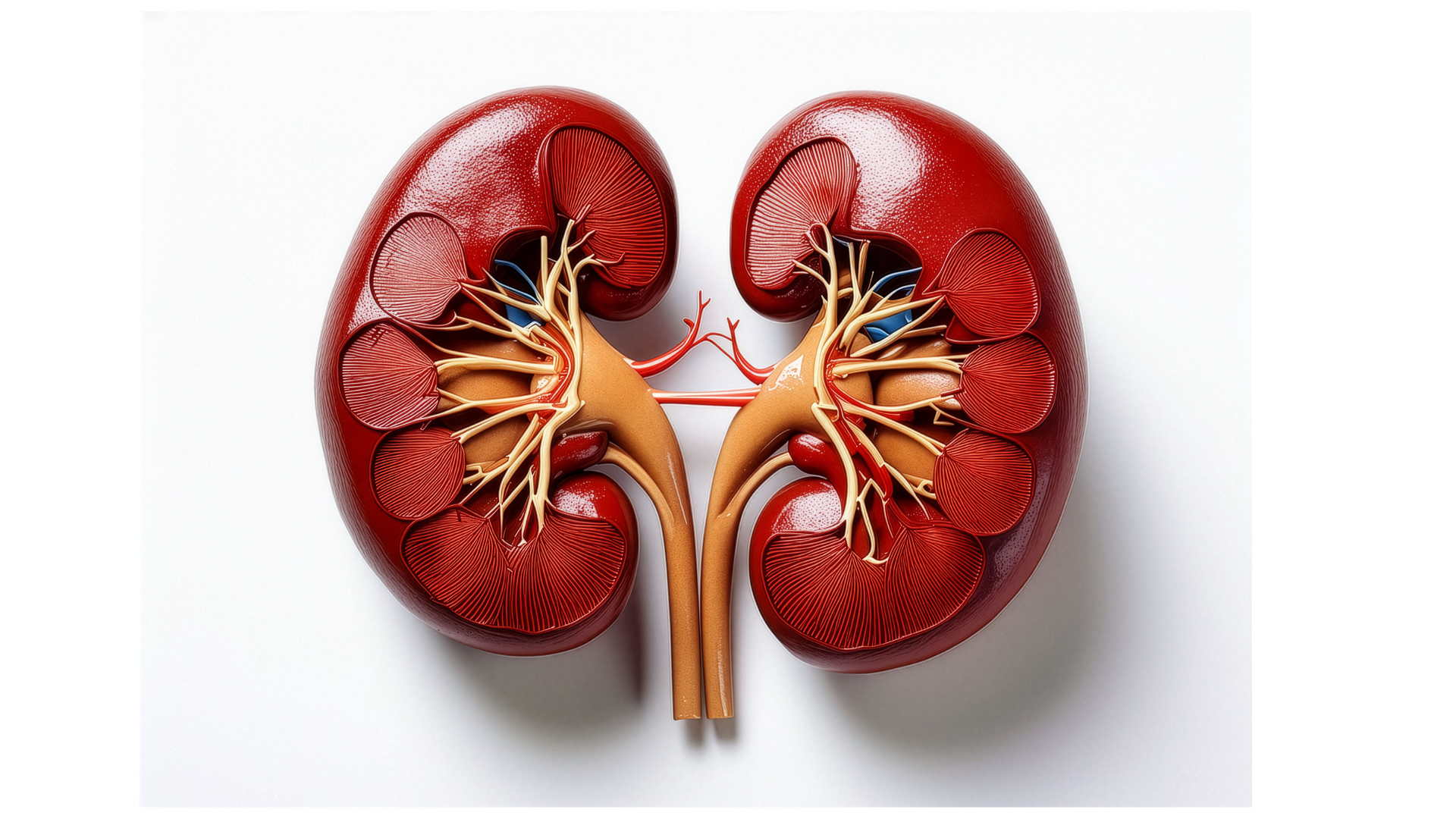
If you’ve had a basic or comprehensive metabolic panel performed, you may have seen results for kidney function tests such as BUN, creatinine, and estimated GFR. Why are these tests included in a metabolic panel, and what do the results mean?
What are the BUN, creatinine, and estimated GFR tests?
BUN stands for blood urea nitrogen. Urea nitrogen is a waste product made when your body breaks down proteins.
Creatinine is another waste product from muscle metabolism.
Both urea nitrogen and creatinine are filtered out of the blood by the kidneys. When kidney function is reduced, these waste products can build up in the blood, leading to higher test results.
Estimated GFR (eGFR) stands for estimated glomerular filtration rate. This test measures how well your kidneys filter and clear waste products from the blood. Your eGFR is calculated using your serum creatinine value, age, and gender.
Why are these tests ordered?
The kidneys are vital organs that filter waste products from the blood so they can be removed from the body in urine. They also produce hormones that help control blood pressure, support red blood cell production, and regulate vitamin D.
The purpose of kidney function testing is to measure how well the kidneys are removing waste products like BUN and creatinine from the blood. Early kidney disease often causes no symptoms, so testing can detect problems before significant kidney damage occurs.
These tests may also be used monitor chronic conditions that can affect the kidneys including high blood pressure (hypertension) or diabetes.
How should you prepare for the test?
These tests require a blood sample. Testing for serum creatinine and BUN does not require fasting, but fasting may be necessary if other tests are being collected at the same time. Avoid eating a high protein meal, taking creatine supplements, and rigorous exercise prior to the test as these factors can temporarily increase BUN and creatinine levels.
What do the results mean?
· BUN and creatinine: Higher levels may be seen in kidney dysfunction such as acute kidney injury, kidney stones or infections, or chronic kidney disease. Dehydration and a high protein diet can cause temporary increases.
· eGFR: It is normal for eGFR to slowly decrease with age. A lower eGFR means reduced kidney function. Persistently low values over time may suggest chronic kidney disease. Ask your healthcare provider what range is expected for your age and health status.
Questions to ask your provider
· Based on my results, do I need repeat testing to monitor my kidney function?
· Could my results be affected by my medications, diet, or other medical conditions (diabetes, high blood pressure)?
· Are there any lifestyle changes I can make to support my kidney health?
Final takeaway
BUN, creatinine, and eGFR are key markers used to assess kidney function. While abnormal results can be concerning, they are just one piece of your overall health picture. Factors such as hydration, diet, medications, and other medical conditions can influence test results.
Regular testing and discussion of lab test results with your healthcare provider can help detect kidney problems early and reduce the risk of serious complications through timely treatment and management.
Author: Rachel Siddall, DCLS, MLS(ASCP)CM, CPHQ
Cleveland Clinic. Kidney function tests; 2025 Feb 3 [cited 2026 Apr 28]. Available from: https://my.clevelandclinic.org/health/diagnostics/21659-kidney-function-tests
Gounden V, Bhatt H, Jialal I. Renal function tests. StatPearls. 2024 Jul 27. https://www.ncbi.nlm.nih.gov/books/NBK507821
Diagnostic Equity Resources
What Is a Complete Blood Count (CBC) Test?
URL: https://diagnosticequity.org/knowledge-base/what-is-a-complete-blood-count-cbc-test
What Is an Estimated Glomerular Filtration Rate?
URL: https://diagnosticequity.org/knowledge-base/what-is-an-estimated-glomerular-filtration-rate
Why Am I Always Tired? Lab Tests That Explain Fatigue
URL: https://diagnosticequity.org/knowledge-base/why-am-i-always-tired-lab-tests-that-explain-fatigue
Decode your lab test results: Get lab test questions answered about your lab test report.
This information is not a substitute for, nor does it replace professional medical advice, diagnosis, or treatment. If you have any concerns or questions about your health, you should always consult with a healthcare professional.