
What Is a Respiratory Pathogen Panel? How multiplex PCR helps detect dozens of viruses and bacteria at once.
The respiratory system can come under attack from viruses and bacteria. Learn about the purpose and lab tests in this guide to a respiratory pathogen panel.

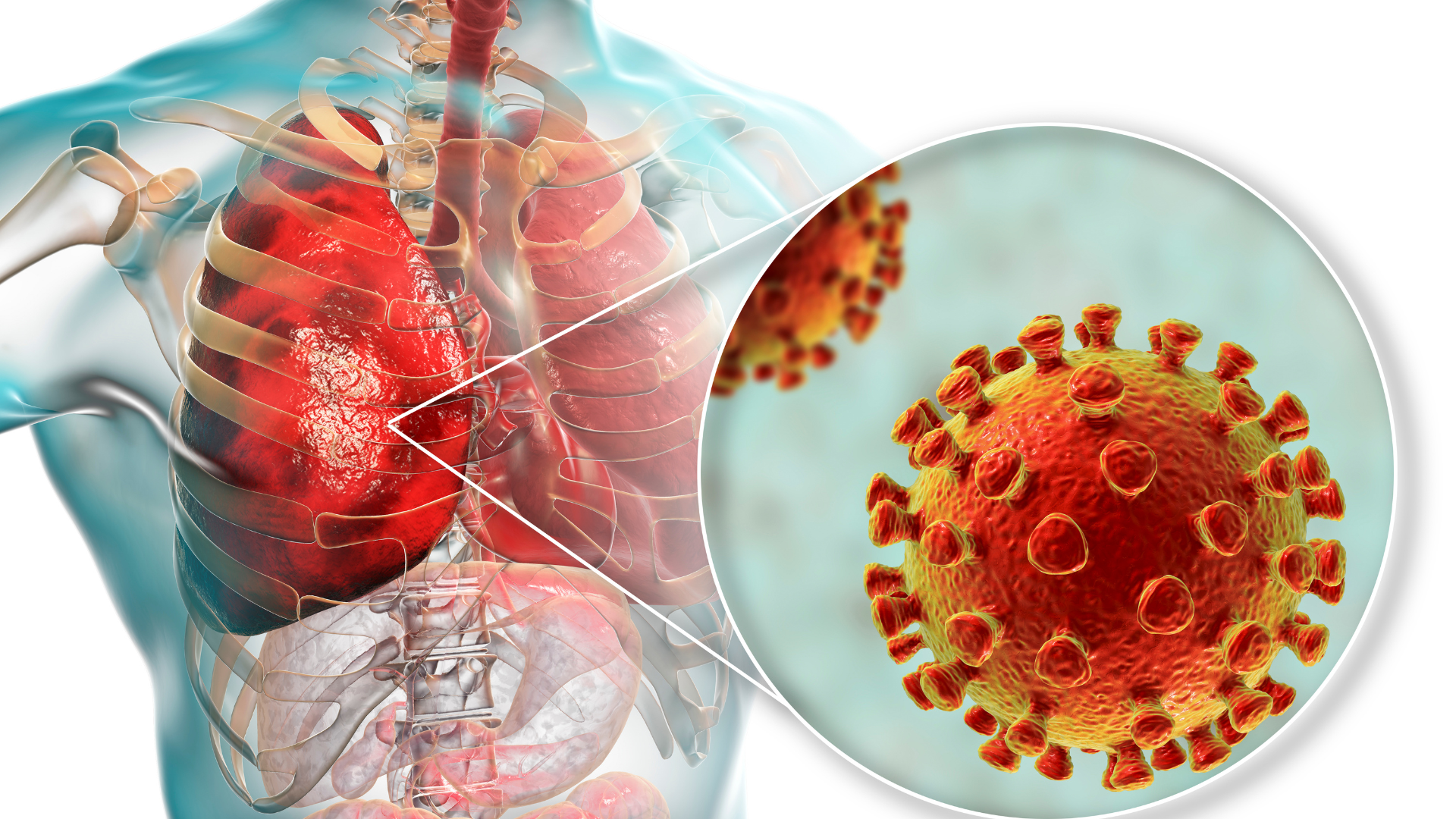
If you’ve ever seen a healthcare provider for symptoms of a respiratory infection like the flu or COVID-19, your provider may have ordered a respiratory pathogen panel. These tests can rapidly identify many different viruses and bacteria from a single specimen. How do respiratory pathogen panels work, and why are they useful?
What Is a Respiratory Pathogen Panel?
A respiratory pathogen panel is a laboratory test designed to detect multiple respiratory viruses and bacteria simultaneously. These panels use polymerase chain reaction (PCR) to detect genetic material from pathogens that can cause respiratory illnesses.
PCR targets a specific piece of genetic material and if found, then makes identical copies. In a PCR respiratory panel, for each pathogen in the panel, the test targets a specific piece of genetic material. Copies are made so the test can work even with very small amounts of the pathogen collected from the patient. Making multiple identical copies of the found target genetic material greatly increases the test sensitivity.
Respiratory pathogen panels use multiplex PCR, meaning multiple pathogens can be detected from a single specimen instead of running separate tests for each pathogen.
Depending on the panel, testing may include common viruses such as influenza A and B, respiratory syncytial virus (RSV), COVID-19, and rhinovirus (the most frequent cause of the common cold), as well as bacteria like Bordetella pertussis or Mycoplasma pneumoniae. By testing for many organisms at the same time, respiratory pathogen panels provide a comprehensive answer to causes of respiratory symptoms.
Why is this test ordered?
Common respiratory symptoms such as congestion, cough, and fever can be caused by many different pathogens. The purpose of respiratory pathogen testing is to help identify the cause of the infection so appropriate treatment can be given. As viruses do not respond to antibiotics, identifying a viral infection can prevent unnecessary antibiotic use.
How should you prepare for the test?
Respiratory pathogen panels typically use a nasopharyngeal or nasal swab. The swab is briefly inserted into the nose to collect the specimen. This may cause a few seconds of slight discomfort.
Some tests may use throat swabs or lower respiratory specimens (sputum). No fasting or other special preparation is needed.
What do the results mean?
Positive result: One or more pathogens in the panel were detected. This indicates current or recent infection. In some cases, more than one pathogen may be detected at the same time.
Negative result: No pathogens included in the panel were detected. Reasons for a negative PCR respiratory panel test include:
The patient was tested too early. When a patient is infected, it takes time for the pathogen to multiply. Because of this, in some cases, a repeat PCR respiratory panel at a later date may be considered.
The pathogen causing the symptoms was not part of the panel. At the time of this writing, the PCR respiratory panels in use test between 14 to 20 of the most common pathogens causing respiratory illness. There are many other less common pathogens that could cause a respiratory infection.
The patient's respiratory symptoms are not due to a pathogen.
Questions to ask your provider
Do my lab test results explain my current symptoms?
How long am I likely to be contagious?
Are there specific precautions I should take to protect others?
If a virus was detected, does this mean I do not need antibiotics?
If a virus was detected, is an antiviral medication an option?
As my test was negative yet I have symptoms, is it possible I was tested too early? Should we repeat the test again in a few days?
Final takeaway
Respiratory pathogen panels use multiplex PCR to detect many viruses and bacteria from a single specimen. These tests help healthcare providers quickly identify the cause of respiratory symptoms to guide treatment.
While these tests are highly accurate, the results are just one aspect of the overall clinical picture. Discuss test results with your healthcare provider to understand what results mean in the context of your overall health.
Author: Rachel Siddall, DCLS, MLS(ASCP)CM, CPHQ
MedlinePlus [Internet]. Bethesda (MD): National Library of Medicine (US). Respiratory pathogens panel; [updated 2024 Jul 8; cited 2026 May 1]. Available from: https://medlineplus.gov/lab-tests/respiratory-pathogens-panel/
Diagnostic Equity Resources
What Is a Complete Blood Count (CBC) Test?
URL: https://diagnosticequity.org/knowledge-base/what-is-a-complete-blood-count-cbc-test
What Is an Estimated Glomerular Filtration Rate?
URL: https://diagnosticequity.org/knowledge-base/what-is-an-estimated-glomerular-filtration-rate
Why Am I Always Tired? Lab Tests That Explain Fatigue
URL: https://diagnosticequity.org/knowledge-base/why-am-i-always-tired-lab-tests-that-explain-fatigue
Decode your lab test results: Get lab test questions answered about your lab test report.
This information is not a substitute for, nor does it replace professional medical advice, diagnosis, or treatment. If you have any concerns or questions about your health, you should always consult with a healthcare professional.